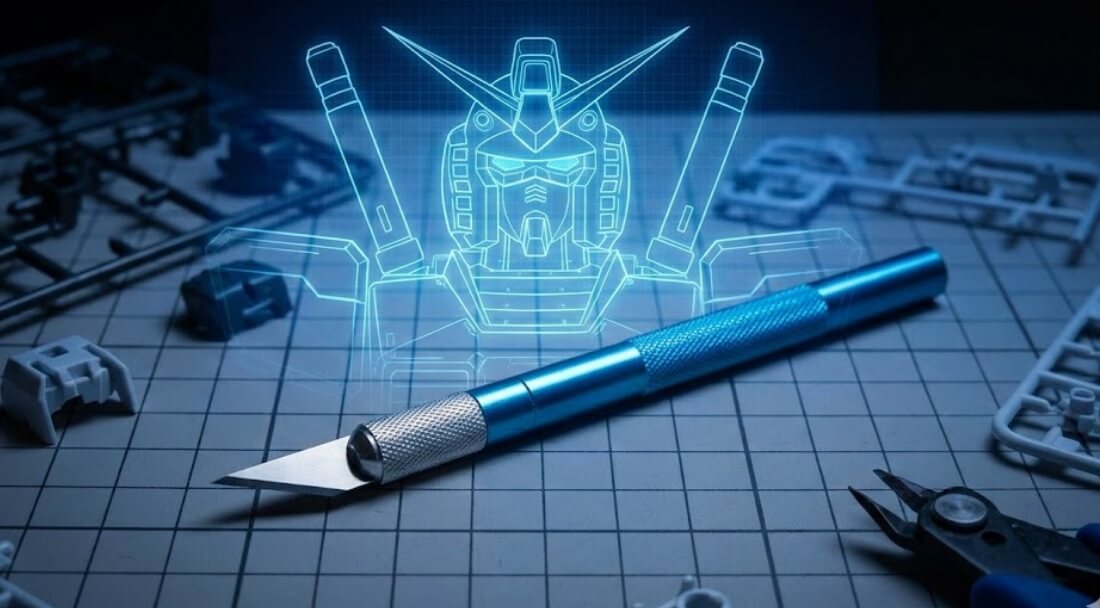
ARSENAL 002//PRECISION INCISION: Tactical Weapons Selection – Pen Knife
[PLAMOFORGE 3D LOG. Entry No. TOOL-GEAR-002-Pen Knife]
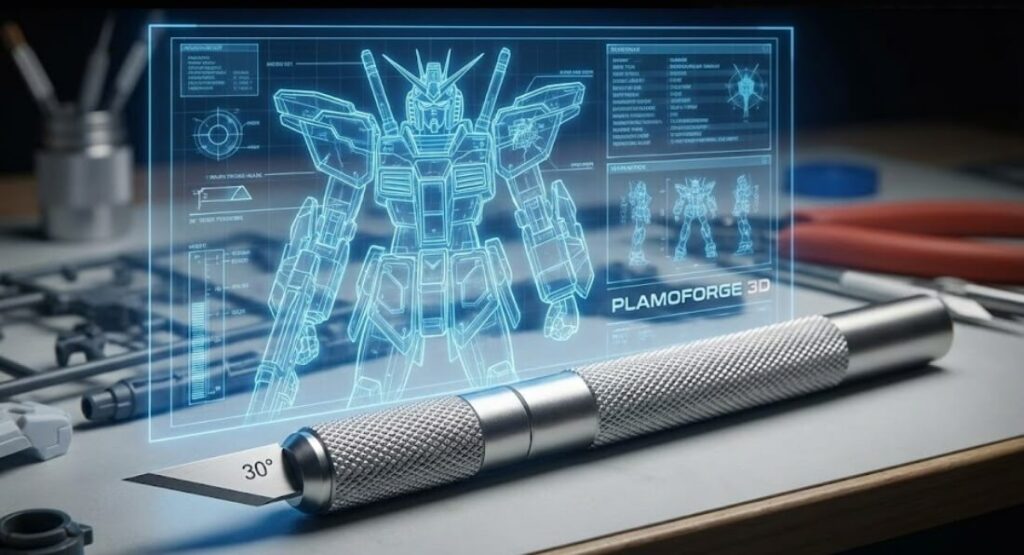
Within the high-precision environment of engineering, if the cutting mat is defined as the “Battlefield Substrate,” then the Pen Knife (Hobby Knife) serves as the operator’s “Primary Weapon” for surgical-grade excision. Whether processing the intricate runner gates of the MG or refining the contact points of high-fidelity 3D prints, the physical properties of the blade directly dictate the final surface integrity of the unit.
This protocol standardizes blade selection and cutting tactics to ensure every “Precision Incision” meets maximum engineering specifications.
DATA FILE 01: Blade Geometry & Angles
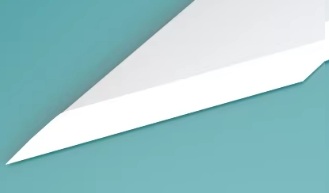
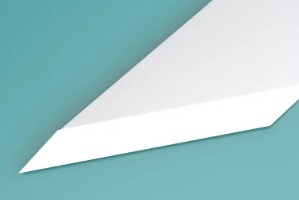
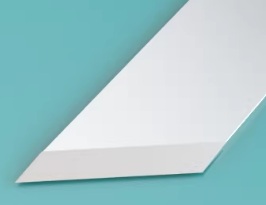
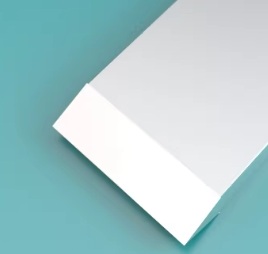
Distinct angular designs dictate pressure distribution and maneuverability. Within the PLAMOFORGE 3D framework, we classify two core specifications:
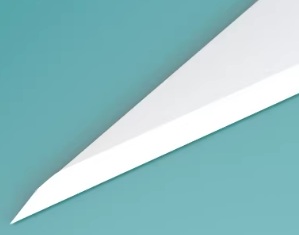
- 30° Precision Detail Blade:
- Tactical Advantage: The extremely narrow tip provides unparalleled visual clearance. Optimized for ultra-tight component gaps or performing micron-level “point-cutting” during Gate Removal.
- Risk Assessment: The tip is exceptionally fragile. Lateral force (prying) is strictly prohibited, as it will lead to immediate blade snapping.
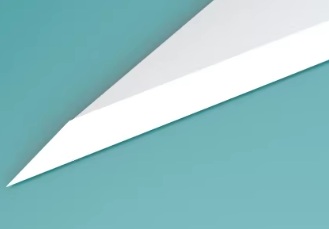
- 45° General Purpose Blade:
- Tactical Advantage: Higher structural integrity with robust edge support. Ideal for shearing through thick, high-density plastics or trimming heavy 3D-printed support pillars.
- Risk Assessment: The wider tip creates more visual “blind spots” when operating in confined internal geometries.
DATA FILE 02: Handle Engineering & Grip Stability
The handle is not merely a blade holder; it is the core of Tactile Feedback:
- All-Metal Heavyweight Handle:
- Deployment Rationale: Increased self-weight utilizes gravity to assist in cutting force, significantly reducing operator finger fatigue.
- Advantage: Features a metal collet/chuck for a rock-solid lock, ensuring zero blade wobble during high-pressure incisions.
- Ergo-Rubber Grip:
- Deployment Rationale: Provides high-friction contact for operators prone to perspiration, preventing accidental slips during precision maneuvers.
DATA FILE 03: Tactical Cutting Protocols (SOP)
When executing [PROTOCOL 001]: Part Separation, the following standards must be strictly enforced:
- Incremental Peeling: Do not attempt to remove large gates in a single stroke. Execute 2-3 thin, layered cuts. This minimizes Compressive Stress on the plastic, effectively eliminating “stress whitening” at the source.
- Blade Obsolescence: Blades are considered consumables. At the first sensation of “stuttering” or “dragging,” the blade must be replaced immediately. Forcing a dull blade leads to excessive pressure, which can result in catastrophic loss of control and surface gouging.
- One-Way Stroke: Maintain a steady, uniform trajectory moving away from fingers and the core chassis of the model.
MAINTENANCE LOG: Disposal & Safety
To maintain safety standards within Arsenal 002, spent blades must be handled professionally:
- Blade Disposal Tank: Discarded blades must be deposited directly into a metal or high-impact plastic disposal case. Open-bin disposal is prohibited.
- Collet Integrity Check: Before every session, verify that the handle chuck is fully tightened. A loose blade is the single greatest safety hazard within the Arsenal.
PLAMOFORGE 3D FINAL DISPOSITION
For operators dedicated to “Zero-Trace” processing, we recommend the following deployment for your Arsenal tool rack:
Projected Outcome: A 40% increase in surface flatness and a 50% reduction in subsequent sanding time.
Standard Configuration: Equip at least two pen knives—one fitted with a 30° Detail Blade for fine finishing and one with a 45° General Blade for heavy-duty prep.
Recommended Ordnance: High-Carbon Steel or Professional Series blades.
[END ARSENAL 002]